
Buying car hire insurance at the rental desk isn’t just expensive; it’s a carefully designed trap of psychological pressure and profitable exclusions.
- Desk policies deliberately exclude common damage like tires and glass specifically to sell you more cover at inflated prices.
- A standalone annual policy offers better, more comprehensive protection for the typical price of just three or four rental days.
Recommendation: Purchase a standalone excess policy online at least 24 hours before your trip. You’ll gain superior coverage, sidestep the hard sell, and can save up to 80% on insurance costs.
You’re finally at the front of the queue, tired after your flight, with a line of impatient travellers forming behind you. The rental desk agent smiles, slides a contract across the counter, and casually mentions the £1,500 excess you’re liable for if anything happens to the car. Then comes the pitch for their ‘Super Cover’ at an eye-watering £20 or £30 a day, promising « peace of mind. » It’s a moment of high pressure and deliberate confusion, and rental companies are counting on you to make a costly mistake. In fact, a survey of UK car hirers revealed that a staggering 57% believe excess protection sold at the rental desk is a ‘rip-off’.
This guide is not just another article telling you to « buy insurance online. » It’s a deconstruction of the rental company’s playbook. We are going to dismantle the system of profit-driven exclusions and high-pressure sales tactics they use. This is about shifting your position from a pressured customer to an informed strategist. You will learn to identify the deliberate gaps in their « premium » coverage, understand the powerful alternative of standalone policies, and master the techniques to protect yourself from unfair damage claims.
By understanding the system, you can beat it. This article will equip you with the knowledge to not only save a significant amount of money but also to approach that rental desk with the confidence of an expert who cannot be exploited.
Contents: Car Hire Excess Insurance and Other Travel Insurance Traps
- Why « Super Cover » Still Doesn’t Include Tires and Glass?
- How to Buy an Annual Excess Policy for the Price of 3 Rental Days?
- Amex Platinum vs Standalone Policy: Is Your Card’s Cover Enough?
- The Video Check Mistake That Costs Renters Hundreds
- When to Book Your Car Hire to Secure the Best Insurance Rate?
- Why Your Laptop Isn’t Covered in Coffee Shops without Personal Possessions Add-on?
- How to Use Your Legal Cover to Fight an Unfair Parking Fine?
- Motor Legal Protection: Is It Worth the £30 Add-On?
Why « Super Cover » Still Doesn’t Include Tires and Glass?
You’ve paid the extra fee for ‘Super Cover’ or a ‘Zero Excess Waiver’, believing you’re fully protected. Yet, when you review the fine print, you discover that some of the most vulnerable parts of the car—the tires, windscreen, underbody, and roof—are often explicitly excluded. This is not an oversight; it’s a core part of the rental industry’s business model. These are what we call profit-driven exclusions.
This paragraph introduces the concept of how rental companies use exclusions. For a clearer picture, the illustration below highlights these high-risk areas.
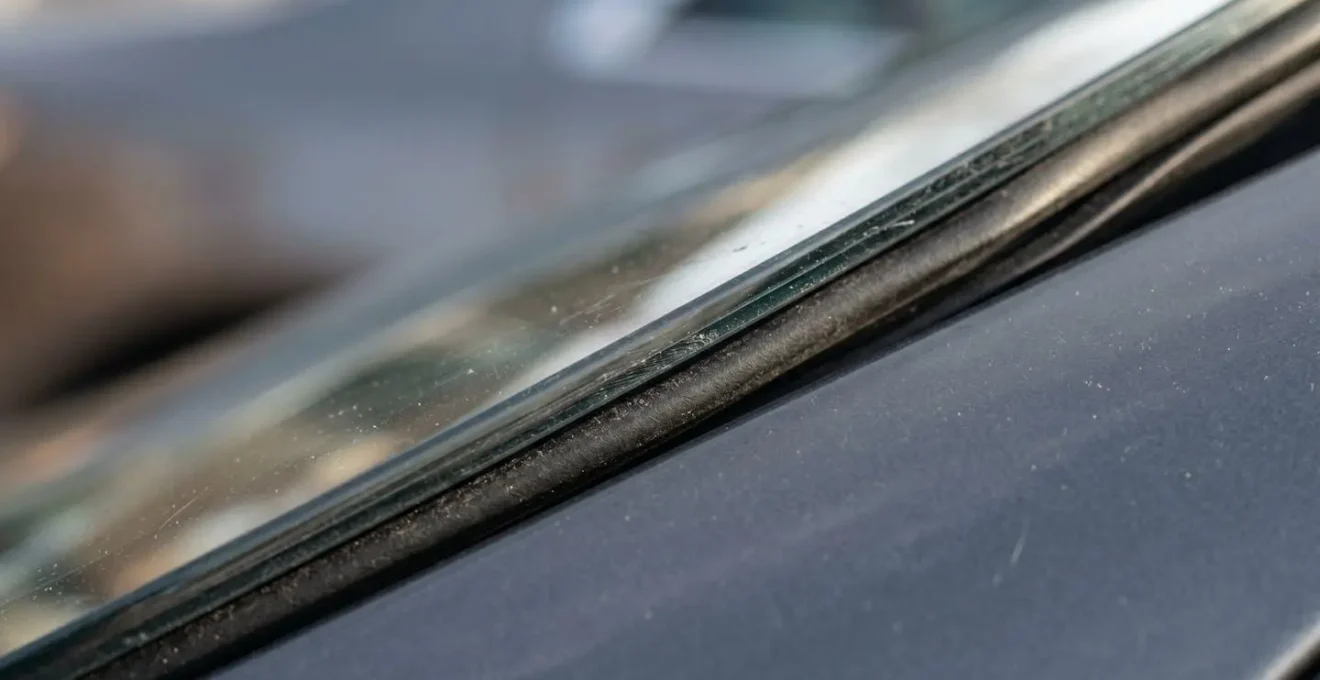
As the image suggests, these components are susceptible to damage from everyday driving conditions like potholes, road debris, and stone chips. Because claims for these parts are frequent, including them in the standard ‘super cover’ would erode the rental company’s profits. Instead, they unbundle this coverage, creating a second opportunity to sell you yet another policy at the desk, often called ‘Tire and Windscreen Cover’. According to industry analysis, this can add a significant amount to your bill. For example, a weekly rental could see an extra £53 for tire and windscreen cover on top of the main excess protection.
Windshields and tires are excluded precisely because they’re the most common damage, which makes them the most profitable gap for the rental company to exploit.
– Chipkie Insurance Analysis, Car Rental CDW Exclusions Explained: The Windscreen & Tire Trap
The crucial takeaway is that the rental desk’s premium products are often designed with intentional gaps. A genuinely comprehensive policy, which you can buy from a specialist provider, typically covers these excluded parts as standard, offering true peace of mind without the layered costs.
How to Buy an Annual Excess Policy for the Price of 3 Rental Days?
The stark price difference between insurance at the rental desk and a standalone policy is the industry’s open secret. While rental companies charge exorbitant daily rates for excess cover, specialist insurers offer a far more economical alternative: the annual policy. This is a classic case of coverage arbitrage, where an informed consumer can acquire better protection for a fraction of the cost.
An annual car hire excess insurance policy covers you for multiple trips throughout a year, typically for rentals up to 31 or even 62 consecutive days each. Instead of paying per rental, you pay one flat fee. The economics are overwhelmingly in the consumer’s favor. For the cost of what you might pay for just three or four days of insurance at the rental desk, you can be covered for an entire year of travel. This not only saves you money but also eliminates the need to negotiate or make a rushed decision at the counter for every trip you take.
The potential savings are substantial. Comparative studies have shown that by opting for a standalone policy, travelers can save up to £255 on a 14-day rental compared to the prices offered by six leading rental companies. The table below, based on typical industry pricing, illustrates the dramatic difference in cost.
| Policy Type | Cost (Europe) | Break-Even Point | Coverage Duration |
|---|---|---|---|
| Daily Policy | £3.49/day | N/A | Per rental (up to 180 days) |
| Annual Policy | £41.99/year | ~13 days of rental | Unlimited trips, 31-62 days each |
| Rental Desk (Average) | £189/week | N/A | Per rental only |
The key is to purchase this policy in advance. You can buy it any time before you collect the car, even the day before. This simple act of preparation transforms a high-cost, high-pressure transaction into a predictable and affordable part of your travel budget.
Amex Platinum vs Standalone Policy: Is Your Card’s Cover Enough?
Many travelers with premium credit cards, such as the American Express Platinum, assume they are automatically covered for car rentals. While these cards do offer valuable benefits, their insurance is often misunderstood, and relying on it without verification can be a costly mistake. The coverage provided is often secondary, not primary, which is a critical distinction.
Secondary coverage means that you must first file a claim with your personal auto insurance policy (if you have one) before the credit card’s insurance kicks in to cover deductibles or other remaining costs. A primary policy, like most standalone car hire excess policies, takes charge of the claim from the outset. Furthermore, credit card policies can come with a list of exclusions and limitations. For instance, the Amex Platinum card provides up to $75,000 in secondary coverage but famously excludes rentals in countries like Australia, Italy, and New Zealand.
Before you confidently decline the rental desk’s insurance, you must act like an auditor and verify the exact terms of your card’s policy. Simply having the card is not enough; you need to confirm the specifics for your intended trip and vehicle.
Your Credit Card Insurance Verification Checklist
- Determine Coverage Type: Call your card provider and ask explicitly: « Is the car rental coverage primary or secondary? » This confirms if you must file with another insurer first.
- Check Vehicle Exclusions: Verify if luxury cars, vans, large SUVs, or vehicles over a certain value are excluded. Don’t assume your 7-seater people carrier is covered.
- Identify Geographic Restrictions: Confirm that your destination country is not on an exclusion list. This is a common pitfall for cards like Amex Platinum.
- Verify Maximum Rental Duration: Check the limit on consecutive rental days. Many card policies cap coverage at 15 or 30 days, making them unsuitable for longer trips.
- Review Decline Requirements: Confirm that you must decline ALL insurance offered by the rental company, including the basic Collision Damage Waiver (CDW), for your card’s coverage to be valid.
A standalone policy is often simpler and more comprehensive. It acts as a primary policy for the excess and typically includes cover for tires and windscreens, which credit cards might not. While your premium card is a great asset, it is not a substitute for due diligence.
The Video Check Mistake That Costs Renters Hundreds
Even with the best insurance, the rental company can still try to charge you for pre-existing damage. Their primary tool is the damage sheet you’re asked to sign, often filled with vague diagrams in a poorly lit car park. Your ultimate defence against this tactic is not just taking a video of the car, but creating a piece of undeniable, time-stamped evidence. This is forensic documentation.
The common mistake is a quick, silent walk-around with your phone. This is better than nothing, but it’s not robust evidence. A rental company could argue the video was taken at a different time or that you missed a specific angle. To make your video irrefutable, you need to narrate it, turning a casual clip into a formal inspection report. This simple act transforms you from a passive customer into a proactive inspector, a shift in mindset that rental agents will notice and respect.
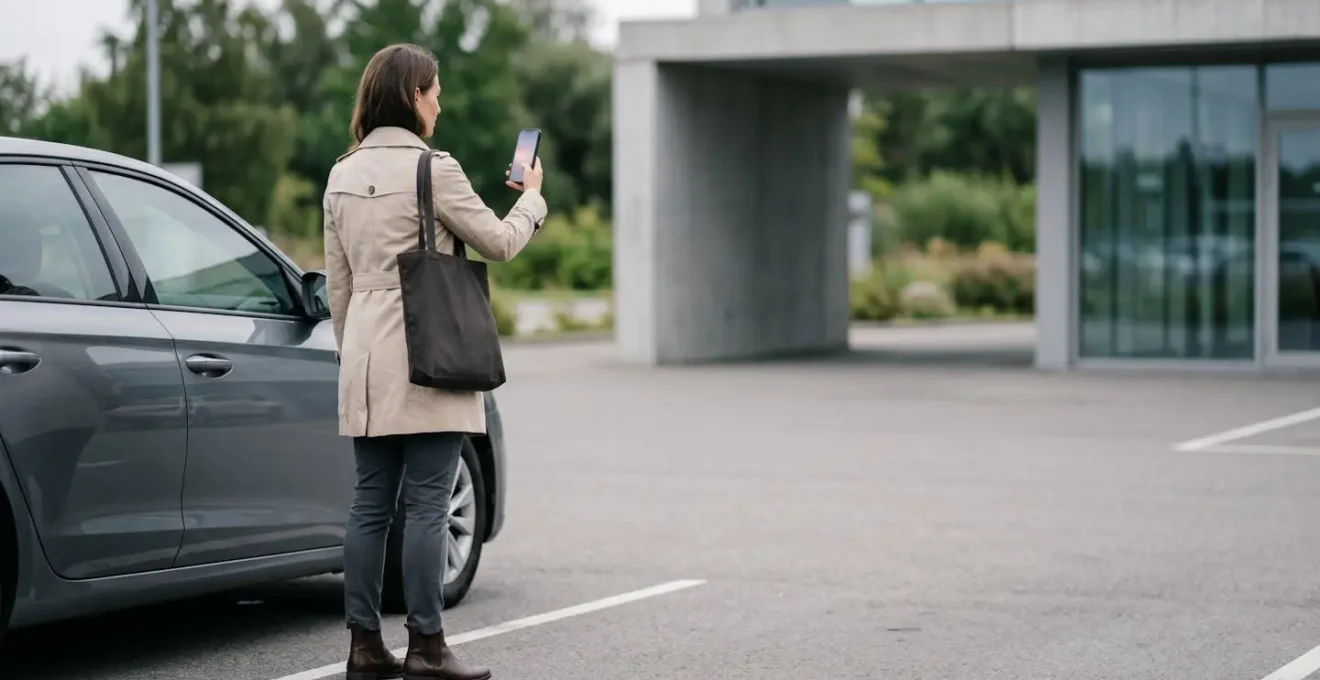
The goal is to create a single, continuous video file that leaves no room for doubt about the car’s condition when you received it. This isn’t about being paranoid; it’s about being professional. The few minutes it takes to do this properly can save you hundreds of pounds and endless stress. As detailed by consumer champions, a systematic approach is key.
The Narrated Forensic Video Inspection Method
- State Identification Details: Start recording and immediately state out loud the full date, the exact time, the location (e.g., « Heathrow Terminal 5, Hertz Bay 22 »), and the vehicle’s license plate number. This time-stamps your evidence.
- Complete a 360-Degree Walk-Around: Walk slowly around the entire car. As you go, verbally call out every single scratch, dent, or scuff you see, zooming in on it with the camera. Say, « Driver’s side door, 10cm scratch here. »
- Document Interior and Ancillaries: Film the interior, checking for seat burns or stains. Open the boot and verbally confirm the presence (or absence) of the spare tire and toolkit. Record the dashboard with the engine on to show the starting mileage and fuel level.
- Capture Underbody and Roof: Crouch down to film the sills and under the bumpers. If possible and safe, film the roof. These are common areas for surprise damage claims.
- Create a Return Video: Before you hand back the keys, create a second, identical video in the rental company’s return bay. This proves the condition in which you returned the vehicle, closing the loop on your evidence. A link to more details can be found here.
This method may seem elaborate, but it is the single most powerful tool you have to defend yourself against an unfair damage claim. Your narrated video is your star witness.
When to Book Your Car Hire to Secure the Best Insurance Rate?
The timing of your booking plays a crucial role in the psychological game of car rental. The rental industry’s pricing strategy is built on a concept from behavioural economics known as choice architecture—the environment is deliberately structured to push you towards their most profitable product: expensive desk insurance. By understanding this, you can time your actions to dismantle their strategy.
The core of the hard sell relies on the customer arriving at the desk without a viable alternative. As a case study on this tactic highlights, rental companies depend on this high-pressure environment to upsell waivers that can cost 50% more than superior standalone policies. They know that a traveler who has just landed is unlikely to start comparison shopping for insurance.
The optimal strategy involves separating the booking of the car from the purchase of the insurance:
- Book the Car Early: Car rental prices often work like airline tickets—the earlier you book, the cheaper the rate tends to be. Book your vehicle as soon as your travel plans are firm to lock in a good price. Crucially, opt for a « pay later » or « free cancellation » rate.
- Purchase Insurance Separately and Later: Do not buy insurance at the time of booking the car. Instead, purchase your standalone excess insurance policy about 1-2 weeks before you travel. This gives you time to compare providers and find the best deal without any pressure.
- Monitor and Re-book: The « free cancellation » booking is your secret weapon. After you book, continue to monitor prices for the car itself. If the price drops, you can cancel your original booking and re-book at the lower rate.
Case Study: Deconstructing the Hard-Sell
Consumer research by RentalCover reveals how rental companies use ‘choice architecture’ at the counter. By presenting customers with a complex, high-stakes decision (a £1,500 excess) in a stressful environment (post-flight fatigue, queues), they create the perfect conditions for a hard-sell of their « Super Collision Damage Waivers. » The study shows that consumers who book the car far in advance but purchase standalone insurance just before travel are able to break free from this sales funnel, making a rational, cost-effective decision away from the pressure of the desk.
This two-step timing strategy effectively neutralises the rental desk’s main weapon. You arrive with a powerful, pre-purchased alternative, turning their high-pressure sales pitch into irrelevant noise.
Key Takeaways
- Always Buy Standalone: Purchase car hire excess insurance from a specialist online provider before you travel. An annual policy offers the best value.
- Audit Your Credit Card: Never assume your card provides adequate cover. Verify if it’s primary or secondary and check for geographic and vehicle exclusions.
- Film Everything, Forensically: Create a narrated, time-stamped video of the car’s condition upon pickup and return. It’s your single best defence against unfair damage claims.
Why Your Laptop Isn’t Covered in Coffee Shops without Personal Possessions Add-on?
Now that you’ve mastered the car rental insurance game, it’s time to apply that same critical, consumer-champion mindset to other common insurance blind spots that can trip up even the savviest traveler. A frequent and costly misunderstanding relates to home contents insurance and its limitations once you step outside your front door.
Many people believe their home contents policy protects their valuables everywhere. You take your laptop to a coffee shop to work, your phone is always in your pocket, and you might wear expensive jewellery on a night out. Unfortunately, a standard contents insurance policy is designed to cover items inside your home only. The moment you take an item outside, it is typically uninsured against theft, loss, or accidental damage.
To cover these items, you need a specific extension on your policy, usually called ‘Personal Possessions’ cover or ‘Away From Home’ cover. This is an optional add-on that extends the protection of your contents insurance to items you carry with you. Without it, the theft of your laptop from a cafe or the loss of your camera while on holiday would not be covered, leaving you to bear the full replacement cost yourself.
This principle is fundamental to how insurance is underwritten: the risk of theft or damage is significantly higher outside the secure environment of your home. Therefore, insurers charge an additional premium for this extended risk. Always check your policy documents for the ‘Personal Possessions’ section to see if you have this cover and, crucially, check the single-item limit—the maximum amount the policy will pay for any one item.
How to Use Your Legal Cover to Fight an Unfair Parking Fine?
Another area where a small insurance add-on can provide immense power is in fighting unfair charges, such as private parking fines. Motor Legal Protection, often sold as an inexpensive supplement to your car insurance, can include cover for disputing such fines. However, using this benefit effectively requires a disciplined, strategic approach. Making a wrong move, like paying the fine in a moment of frustration, can instantly invalidate your claim.
The most critical rule is to treat the situation like a legal case from the very beginning. Your insurance provider’s legal team needs untainted evidence and full control of the process to have the best chance of success. Any action you take independently, such as engaging with the parking company or admitting any form of liability, can prejudice your case and give them grounds to deny your claim. You must view your legal cover provider as your solicitor and follow their instructions to the letter.
The protocol for activating your cover is strict but straightforward. It is designed to build the strongest possible case from the outset, preserving all your legal rights and leveraging the expertise you’ve paid for.
The Golden Rule Protocol for Activating Legal Cover
- Do NOT Pay or Appeal First: This is the absolute golden rule. Contact your legal cover provider immediately, before taking any action. Paying the fine is an admission of guilt and will end your case.
- Gather Comprehensive Evidence: Before leaving the scene, take clear photos of everything: the unclear signage, the parking meter, your vehicle’s exact location, your license plate, and a timestamped photo if possible. If there are witnesses, get their contact details.
- Submit Evidence to Your Legal Provider: Collate all your documentation and submit it to your legal cover team. They will perform an initial assessment to determine the strength of your case and its prospects of success.
- Let the Legal Team Handle All Communication: Once you have engaged them, do not have any further direct contact with the parking company. All correspondence must go through your legal team to avoid prejudicing your case.
- Maintain a Complete Documentation Record: Keep meticulous copies of all correspondence, photos, and any case reference numbers provided by your legal cover team. This is your personal case file.
By following this protocol, you transform a £30 add-on into a powerful legal tool, allowing experts to fight the battle on your behalf and turning a stressful situation into a managed process.
Motor Legal Protection: Is It Worth the £30 Add-On?
The small, often overlooked ‘Motor Legal Protection’ add-on to your car insurance policy poses a classic insurance question: is a small, certain cost worth it to avoid a large, uncertain one? For a premium of around £30 a year, this cover provides access to a legal team and covers legal expenses (often up to £100,000) for a range of motoring issues, including recovering uninsured losses after an accident that wasn’t your fault.
Uninsured losses are the costs that your standard car insurance policy won’t cover, such as your policy excess, loss of earnings if you’re injured, or the cost of a hire car while yours is being repaired. Without legal protection, you would have to pursue the other party’s insurer for these costs yourself—a daunting, time-consuming, and potentially expensive legal process. With the add-on, a team of professionals does it for you.
The value of this cover becomes clear when you analyze the potential costs against the small annual premium. The following table provides a simple cost-benefit analysis for common scenarios where motor legal protection would be used.
| Scenario | Potential Cost Without Cover | Annual Legal Protection Cost | Financial Benefit |
|---|---|---|---|
| Policy Excess Recovery | £500 – £2,000 | £30/year | £470 – £1,970 saved |
| Unfair Damage Claim | £1,000 – £3,000 | £30/year | £970 – £2,970 saved |
| Personal Injury Legal Fees | £2,000 – £10,000+ | £30/year | £1,970 – £9,970+ saved |
| Uninsured Loss Recovery | £500 – £5,000 | £30/year | £470 – £4,970 saved |
Ultimately, the decision to take motor legal protection is a personal assessment of risk. However, for a cost equivalent to a couple of takeaway coffees, it provides a powerful safety net. It ensures that if you are the victim of a non-fault accident or an unfair charge, you have the financial and professional backing to claim what you are owed without risking your own money on legal fees. It is the embodiment of the insurance principle: paying a little to protect yourself from a lot.
To put these consumer-champion strategies into practice, the next logical step is to proactively review your current insurance needs and compare standalone policies well before your next trip or renewal date.