
Automated underwriting is replacing the weeks-long wait for life insurance with instant, data-driven decisions.
- Instead of physical medical exams, algorithms use digital health records and wearable data as proxies to assess risk with high precision.
- This creates a new trade-off: consumers exchange access to their data for unprecedented speed, efficiency, and potential premium discounts.
Recommendation: Understand how to leverage your digital footprint to navigate this new system and secure coverage in minutes, not months.
The traditional path to getting life insurance is a notorious marathon of paperwork, invasive medical exams, and weeks, sometimes months, of anxious waiting. For a tech-savvy generation accustomed to instant everything, this friction-filled process feels archaic. You can open a bank account, get a mortgage pre-approval, and trade stocks from your phone in minutes, yet securing financial protection for your loved ones has remained stuck in the last century.
The common advice is to simply be patient, go through the motions, and endure the process. But what if the entire model is being disrupted? The quiet revolution happening in InsurTech isn’t just about digitizing old forms. It’s a fundamental re-engineering of the most time-consuming component: underwriting. This is where automated systems and AI are stepping in, not just to speed things up, but to change the very nature of how risk is assessed. This isn’t about making the old process faster; it’s about creating a new, more efficient one from the ground up.
This article dives into the mechanics of automated underwriting. We’ll explore how algorithms can assess your risk, how your data can work in your favor, and what the trade-offs are in this new, high-speed landscape. We will unpack the technology, the privacy implications, and the practical questions of who this new model is really for, providing a clear roadmap for anyone who values efficiency and wants their insurance to keep pace with their digital life.
To navigate this new era of insurance, it’s essential to understand its core components. This article breaks down the key aspects of automated underwriting, from the technology that powers it to the practical implications for you as a consumer.
Contents: How Automated Underwriting Delivers Instant Life Insurance
- Why Algorithms Can Assess Your Health Risk Better Than a GP?
- How Sharing Your Apple Watch Data Can Lower Your Premium?
- Instant Life Insurance vs Advised Cover: Which Offers Better Value?
- The Privacy Risk of Giving Insurers Access to Your Medical Records
- When to Use Digital Underwriting: Is It Only for Young People?
- Moratorium vs Full Underwriting: Which Is Safer for Pre-Existing Conditions?
- Monzo vs Barclays: Which App Offers Better Card Freezing Controls?
- How to Ensure Your Mobile Banking App Is Safe from Hackers?
Why Algorithms Can Assess Your Health Risk Better Than a GP?
The idea that an algorithm could understand your health better than a doctor you’ve known for years seems counterintuitive. However, this question misunderstands the role of automated underwriting. The goal isn’t to diagnose illness; it’s to achieve unparalleled structural efficiency in risk assessment. A traditional human underwriter is a highly skilled but limited resource. In fact, research indicates that up to 40% of their time can be spent on manual, repetitive data-gathering tasks rather than on expert analysis.
Algorithms don’t get tired, they don’t have subjective biases from a single consultation, and they can process millions of data points in seconds. They analyze vast, anonymized datasets to identify correlations between lifestyle factors, medical history, and mortality risk that a single human could never spot. This allows them to build a risk profile with incredible speed and a high degree of objectivity based on data, not a single snapshot in time like a medical exam.
However, this data-driven approach isn’t flawless. It’s crucial to acknowledge the potential for built-in bias. For instance, research published in PMC has highlighted how some healthcare algorithms can reflect and even amplify existing societal inequalities. A trustworthy system depends on insurers actively auditing and refining their models to ensure fairness and prevent them from penalizing certain demographics. The goal is a system that is not only efficient but also equitable, using technology to broaden access, not restrict it.
How Sharing Your Apple Watch Data Can Lower Your Premium?
The most visible shift in automated underwriting is the move from one-off medical exams to continuous data streams. Your wearable device, like an Apple Watch or Fitbit, has become a powerful data proxy for your health and lifestyle. Insurers are increasingly willing to reward you for sharing this information because it provides a far more accurate and dynamic picture of your long-term risk than a single blood pressure reading in a doctor’s office.
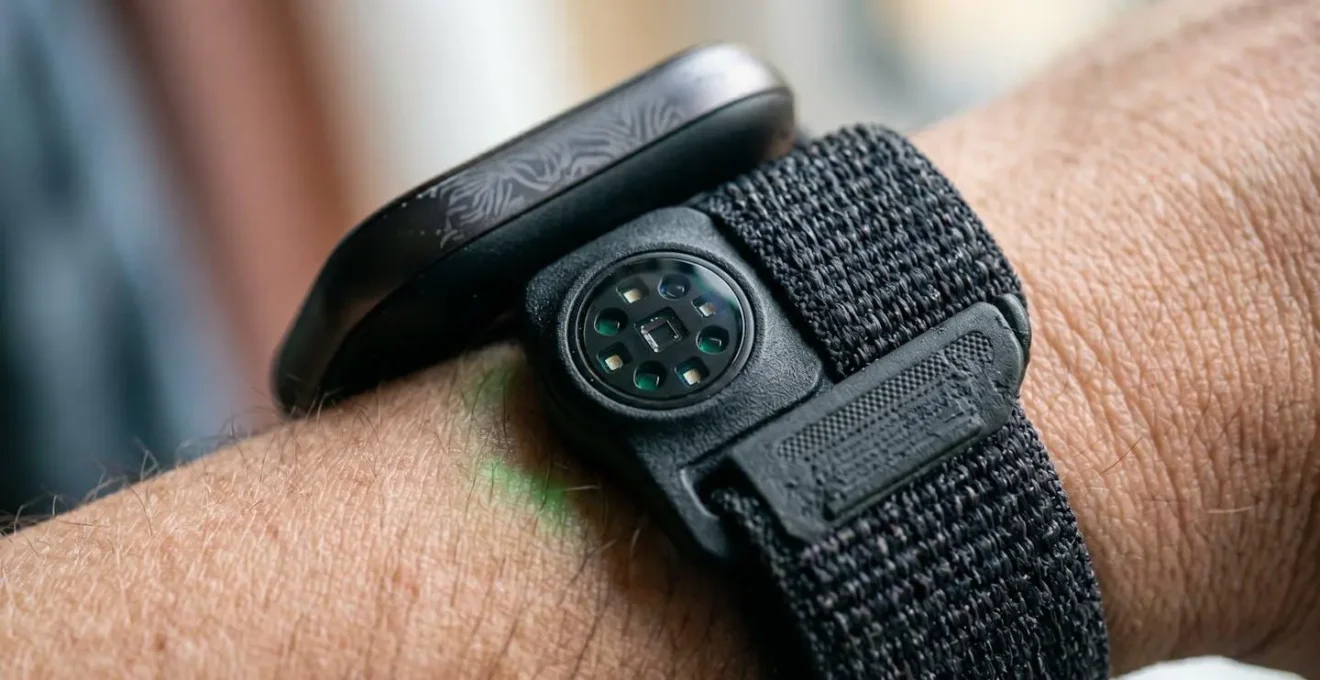
This isn’t a theoretical benefit; it translates into real savings. Many insurers now offer wellness programs that provide significant premium discounts for hitting activity targets. The incentives can be substantial, with industry data showing discounts ranging from 5-20% in the first year, potentially rising in subsequent years. By demonstrating consistent healthy habits—like daily steps, regular heart rate, and active calories burned—you are actively lowering your risk profile in the eyes of the insurer.
These programs are proving highly effective at encouraging healthier behaviors, especially among those who need it most.
Case Study: UnitedHealthcare Motion Program
A prime example is the UnitedHealthcare Motion program. UnitedHealthcare reports that participants walk an average of 11,000 steps daily, more than double the average American adult. The program is particularly popular among members with chronic conditions, who are 40% more likely to participate. By meeting daily activity targets, participants can earn over $1,000 a year, proving that sharing data can create a win-win for both policyholder health and finances.
Instant Life Insurance vs Advised Cover: Which Offers Better Value?
The rise of automated underwriting has created a clear split in the market: near-instant policies sold directly online versus traditional, fully advised policies. The primary appeal of instant-issue insurance is, of course, speed. By automating the data collection and decision-making process, insurers have achieved an over 95% reduction in turnaround time, shrinking a month-long process into minutes. For a healthy individual with a clean digital trail, this offers incredible value in terms of efficiency and convenience.
However, this speed comes with a significant algorithmic trade-off. To make instant decisions, these algorithms are often programmed to be extremely conservative. They are looking for the perfect, low-risk applicant. Any complexity—a pre-existing condition, a high-risk hobby, or a spotty medical history—can result in an immediate decline. This is where the value of advised cover becomes clear. An experienced human advisor can navigate that complexity, contextualize your situation for underwriters, and find an insurer who specializes in cases like yours.
The key is understanding that « value » isn’t just about price; it’s about certainty and suitability. As financial planning experts at Kitces.com note, the strictness of instant-issue policies makes them a poor fit for many.
instant-issue underwriting is generally the most strict in terms of who coverage is offered to, it is especially important to ensure that instant-issue coverage will be a good fit for a client before moving forward with an application.
– Kitces.com Financial Planning Analysis, Pros And Cons Of Instant-Issue Term Life Insurance Policies
Ultimately, instant cover offers unmatched value for the straightforward applicant. For everyone else, the expertise and advocacy of an advisor remain invaluable.
The Privacy Risk of Giving Insurers Access to Your Medical Records
The entire engine of automated underwriting runs on data. To get the speed and convenience of an instant policy, you must grant an insurer access to your digital life, including electronic health records, prescription history, and lifestyle data. This immediately raises a critical question: how safe is that information? The concern is not unfounded. The healthcare sector is a major target for cybercriminals, and the consequences of a breach can be severe.

The scale of the problem is sobering. A review of healthcare data breaches reveals that more than 249 million people were affected by incidents between 2005 and 2019 alone. Giving yet another company access to this sensitive data understandably feels like increasing your personal risk exposure. However, for an InsurTech enthusiast, the conversation is shifting from *if* we share data to *how* it is protected.
Insurers handling this data, particularly in regulated markets like the US and Europe, are bound by stringent data protection laws like HIPAA and GDPR. This mandates robust security measures, including end-to-end encryption, multi-factor authentication, and strict access controls. The technology to secure data is incredibly advanced. The challenge—and the responsibility of the insurer—is to implement it flawlessly and transparently, giving you the same level of confidence you have in your mobile banking app.
When to Use Digital Underwriting: Is It Only for Young People?
A common misconception is that automated underwriting is a fast lane reserved exclusively for the young and perfectly healthy. While this demographic certainly benefits, the reality is far more nuanced. The true determining factor for a successful automated application isn’t age, but data completeness and clarity. An algorithm thrives on a clean, comprehensive, and consistent digital history.
A 50-year-old with 20 years of consistent electronic health records, regular check-ups, and a clear prescription history might be a far better candidate for automation than a 25-year-old who has rarely seen a doctor and has no digital medical footprint. The algorithm isn’t biased against age; it’s biased against ambiguity. The global success rates for this technology bear this out, demonstrating its broad applicability.
Case Study: Swiss Re’s Global Underwriting Platform
Global reinsurer Swiss Re, a company that insures insurance companies, provides a powerful lens on the industry. According to Swiss Re’s analysis, their AI-powered platforms achieve a successful automated underwriting rate of around 75% globally, with some markets reaching up to 90%. Their « Underwriting Assistant » tool is designed to add clarity and consistency to risk selection, helping insurers make better, more efficient decisions across a wide spectrum of applicants, transforming underwriters from data « hunter-gatherers » into strategic risk analysts.
So, the answer is no—it’s not just for young people. Digital underwriting is for anyone whose data tells a clear and consistent story. If your health history is straightforward and well-documented, automation is likely a viable and highly efficient path for you, regardless of your age.
Moratorium vs Full Underwriting: Which Is Safer for Pre-Existing Conditions?
When applying for health or life insurance with a pre-existing condition, applicants have traditionally faced a choice between two underwriting methods: moratorium and full medical underwriting. A moratorium policy offers speed—you can get cover quickly without disclosing your full medical history. However, it comes with a major catch: it typically excludes any conditions you’ve had in the last five years, only potentially covering them after a claim-free period. This creates a dangerous « grey area » where you might think you’re covered, but a claim could be denied.
Full medical underwriting, on the other hand, is a slower process where you disclose everything upfront. The insurer then makes a clear decision, either accepting you at standard rates, adding a surcharge (a « loading »), or applying a specific exclusion. While it takes longer, it provides absolute certainty. You know exactly what is and isn’t covered from day one.
For years, the main reason to choose a risky moratorium was speed. But automated underwriting has completely changed this calculation. As industry analysis points out, this new technology has neutralized the one advantage moratoriums held.
With automated underwriting providing an answer for ‘full’ underwriting in minutes or days, the primary reason for choosing a moratorium (speed) is now neutralized, shifting the balance of the decision.
– Insurance Industry Analysis, Instant Life Insurance Coverage Analysis
Today, you can get the certainty of full underwriting with the speed that once made moratoriums seem attractive. For anyone with a pre-existing condition, the choice has become clear: the safer, more transparent path of automated full underwriting is now the smarter path.
Key Takeaways
- Automated underwriting is not just faster; it’s a new paradigm that uses data proxies (like wearable tech) to achieve greater risk precision.
- The core of this new model is a trade-off: consumers gain unprecedented speed and efficiency by granting access to their digital health data.
- This technology is not just for the young and healthy; it’s for anyone with a clear and complete digital medical history that an algorithm can easily process.
What Monzo vs. Barclays Teaches Us About Insurance Innovation
To understand the seismic shift happening in insurance, it helps to look at a parallel disruption that has already played out: retail banking. For years, legacy banks like Barclays offered a reliable but clunky digital experience. Then, challenger banks like Monzo and Starling arrived. They didn’t just offer a banking app; they offered a superior user experience built from the ground up for mobile, with features like instant notifications, in-app spending categorization, and, crucially, one-tap card freezing.
This single feature—the ability to instantly freeze your card if you misplace it—was a game-changer. It solved a common, high-anxiety problem with an elegant, immediate solution. It was so popular and so obviously better that it forced the entire industry to respond. Soon, Barclays and other high-street banks scrambled to build the same functionality into their own apps. The challenger didn’t win by being a bank; it won by providing a better, more efficient customer experience.
This is precisely the dynamic we are now seeing in insurance. The « card freezing control » of the insurance world is instant underwriting. InsurTechs are offering to solve the industry’s most painful problem—the agonizingly slow application process—with a single, powerful solution. Just as Monzo forced Barclays to innovate, these digital-first insurers are forcing legacy providers to abandon their paper-based, multi-week processes and embrace the efficiency of automation. It’s a powerful lesson in how user experience is the ultimate driver of technological adoption.
How to Secure Your Data Like It’s a Banking App
Trusting an insurance app with your sensitive health data can feel like a leap of faith. But for the tech-savvy consumer, it’s a familiar one. You already trust a mobile app with something just as sensitive: your financial data. The same principles and security measures that give you the confidence to manage your bank account on your phone are being applied to protect your health information. The key is to approach your insurance app with the same security-conscious mindset you use for your banking app.
Legitimate, modern insurance platforms are built on a foundation of robust security protocols, often mandated by regulations like HIPAA. This isn’t just about a strong password; it’s a multi-layered defense system. When evaluating a digital insurer, you should look for the same kind of safeguards you’d expect from your bank. Your data’s safety is non-negotiable, and you have the right to know how it’s being protected.
Your Health Data Security Checklist: What to Look For
- Clear Privacy Policies: Verify the insurer has a publicly available, easy-to-understand privacy policy and designates a privacy officer responsible for compliance. This is their commitment to you.
- Robust Technical Safeguards: Look for mentions of end-to-end encryption for all data, multi-factor authentication (MFA) to secure your login, and support for biometric verification like Face ID or fingerprint scanning.
- Strict Access Controls: Ensure the platform has physical and digital safeguards, meaning your records are secure and access is limited strictly to authorized personnel for the purpose of underwriting.
- Transparent Audit Trails: The insurer must be able to document who has accessed your data and when. This accountability is a core part of trustworthy data handling.
- Proactive Breach Protocols: Check their policy on data breaches. A responsible company will have clear procedures to notify you immediately if your information is ever compromised, detailing what happened and what data was involved.
Now that you understand the mechanics and security behind this technology, it’s time to leverage this new landscape. Explore digital-first insurers, compare their offerings, and see how your data can unlock a faster, smarter, and more efficient life insurance experience. The power to get covered in minutes is now in your hands.